
Careful Hand Washing
Uses lubricated contact washing, suitable soap, clean media, and a top-down process to reduce avoidable wash damage.
Surface-conscious care
Lula, Georgia · Serving Northeast Georgia
The safest effective wash is not always the strongest one. Scentry evaluates the vehicle, contamination, materials, and existing protection before selecting soaps, cleaners, dilution, dwell time, and tools for the job.
Coating-aware chemistry · Separate wheel tools · Condition-based decontamination
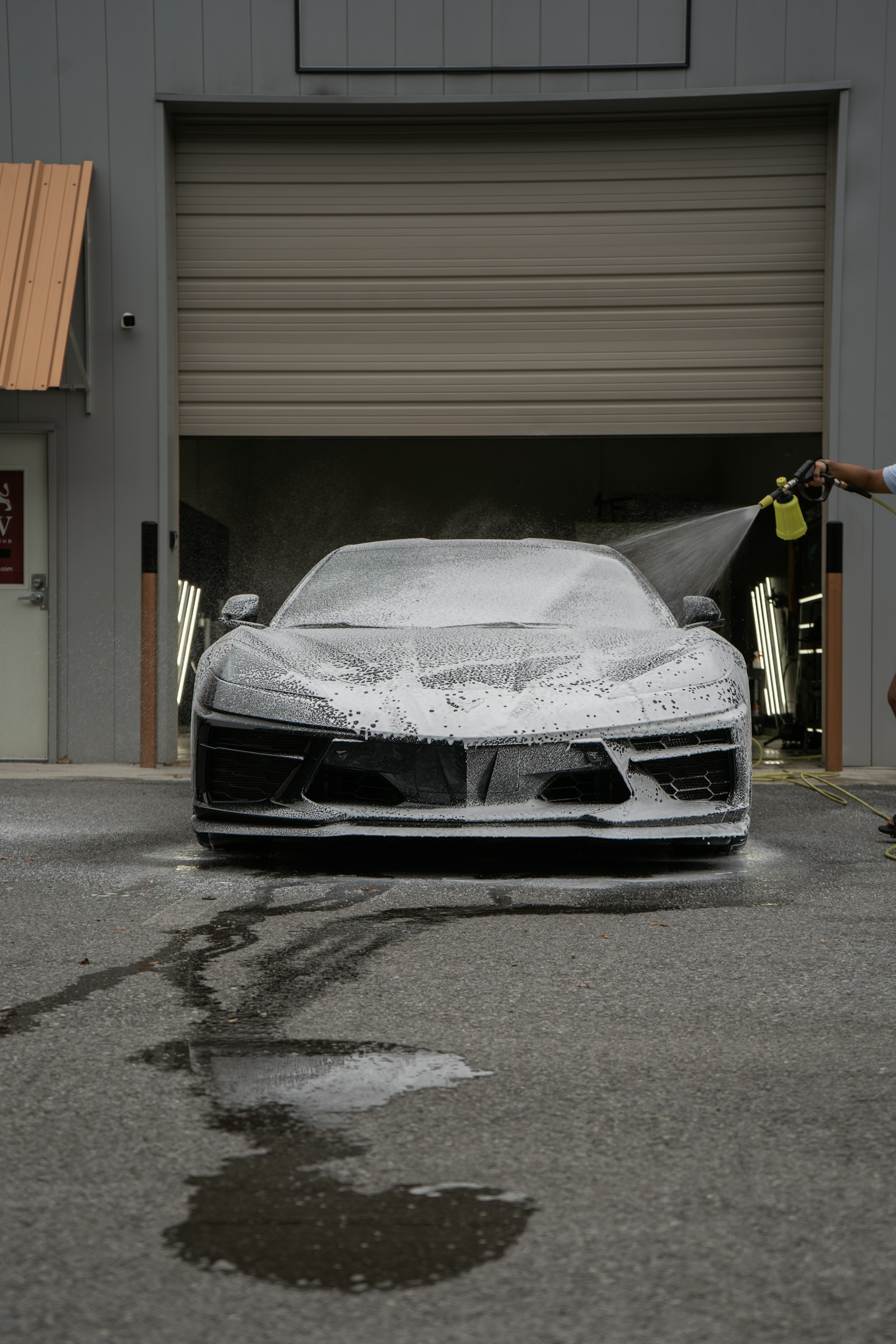
More deliberate than a quick wash
A vehicle can combine clear coat, matte trim, polished metal, glass, rubber, delicate wheel finishes, wraps, paint-protection film, and ceramic protection. Each surface deserves compatible chemistry and technique.
We separate routine maintenance from restorative cleaning so the vehicle receives the work it needs without unnecessary aggression.
Uses lubricated contact washing, suitable soap, clean media, and a top-down process to reduce avoidable wash damage.
Matches cleaners and tools to the wheel finish while keeping wheel contamination away from paint-wash media.
Targets organic buildup with controlled chemistry, dwell time, and agitation selected for the affected surface.
Uses purpose-specific products for iron fallout, tar, minerals, or other contamination when the finish allows.
Removes bonded contamination mechanically when inspection shows that chemical cleaning alone is not enough.
Applies controlled moisture and appropriate cleaning around materials and components that require extra care.
The Scentry exterior process
Product strength is never a substitute for judgment. Surface condition, contamination, existing protection, dilution, temperature, and dwell time all shape the process.
We identify paint, trim, wheel finishes, sensitive areas, contamination, and any wax, sealant, ceramic coating, wrap, or paint-protection film already present.
Soap, cleaners, dilution, and dwell time are selected for the soil, surface, weather, and protection system instead of using one aggressive product everywhere.
Wheels and tires are handled with dedicated tools, then loose contamination is rinsed away before a lubricated contact wash.
Iron fallout, tar, mineral deposits, or bonded contamination are addressed only with the chemical or mechanical method the finish requires.
The vehicle is carefully dried, finished with the protection listed in the quote, and inspected for a consistent result before handoff.
A brief guide to wash chemistry
The pH scale runs from 0 to 14: values below 7 are acidic, 7 is neutral, and values above 7 are alkaline. Because the scale is logarithmic, a one-number change represents a tenfold change in acidity or alkalinity.
Neutral
A pH-neutral wash soap is the usual starting point for regular cleaning of vehicles protected by wax, sealant, or ceramic coating.
Alkaline
Alkaline chemistry can help with oily film, insects, and heavier organic grime, but strength, dilution, dwell, and protection compatibility must be controlled.
Acidic
Acidic chemistry may be selected for mineral deposits or suitable wheel surfaces, then carefully limited, monitored, and rinsed before it can dry.
Beyond the maintenance wash
Exterior detailing can stop at a safe clean or continue into surface recovery and protection. The finish and ownership goals determine where the process should end.
Bonded contamination
Removes the material that routine washing cannot safely release on its own.
Clarity and appearance
Improves gloss and clarity when cleaning alone cannot restore the appearance.
Finish preservation
Matches the final protection and specialist work to the vehicle and its use.
A better wash for real ownership
Exterior detailing is valuable whenever appearance, protection, or the condition of the surface deserves more care than a one-setting wash can provide.
Remove road film and buildup with a process suited to regular use and changing weather.
Maintain ceramic protection with compatible soap, careful contact washing, and appropriate aftercare.
Escalate from routine cleaning to targeted decontamination only where the condition requires it.
Restore a cleaner, more consistent exterior before a sale, event, or fresh start.
Clear expectations before the wash
Safe exterior care is not about finding the strongest chemical. These answers explain how we match cleaning power to the surface and protection.
pH indicates whether a water-based solution is acidic, neutral, or alkaline. That helps guide product selection, but pH alone does not determine safety. Concentration, ingredients, dilution, dwell time, temperature, and surface compatibility also matter.
Not responsibly. A routine wash on a coated vehicle, heavy organic traffic film, mineral buildup, and neglected wheels can require different chemistry. We use the mildest effective approach suited to the surface and protection present.
No. Clay is a mechanical decontamination method and can introduce light marring. We first assess the contamination and use chemical decontamination when it can solve the problem more appropriately.
Cleaning and decontamination can reveal clearer paint, but scratches and swirl marks require paint enhancement or correction. We explain the difference and recommend a separate correction plan when appropriate.
Engine bays are inspected before service. We use controlled moisture, suitable cleaners, and careful technique around sensitive components. Some vehicles or conditions may require limitations or may not be suitable for the service.
Protection is matched to the requested service. Your quote will state whether the finish receives a drying aid, sealant, ceramic maintenance product, or a separate ceramic-coating recommendation.
Based in Lula, Georgia
Lula · Gainesville · Clarkesville · Cleveland · Cornelia · Oakwood · Commerce · Maysville · Jefferson
A safer clean starts with better judgment